
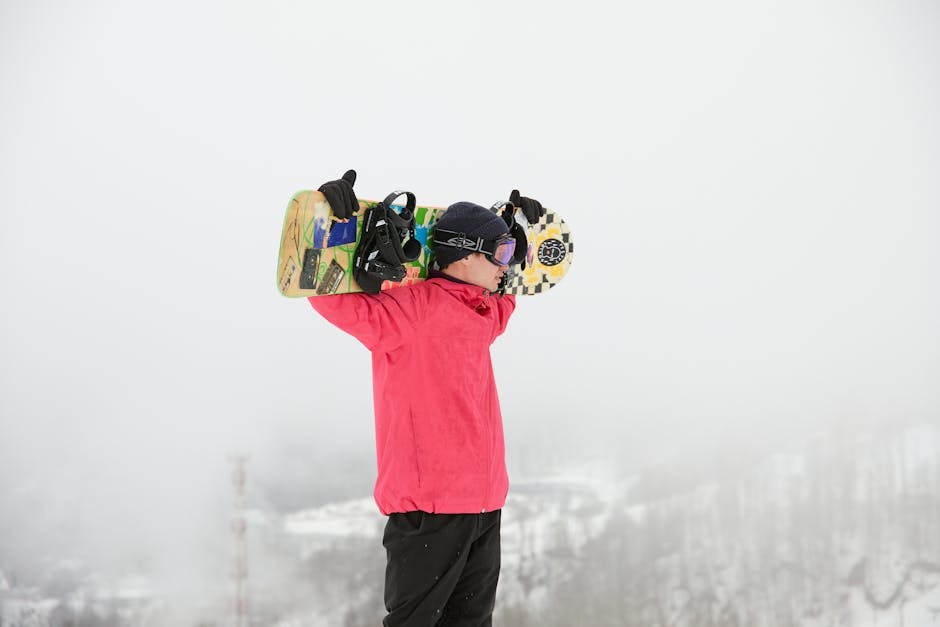
The Shrinking Season
Winter doesn’t clock in like it used to. Snow arrives later, melts sooner, and doesn’t always show up where it’s supposed to. For resorts, that means fewer booking days. For competitive events, it means cancellations, relocations, or worse poor conditions that compromise safety. Whether you run a ski lodge or a slopestyle event, the calendar is no longer reliable.
Local economies that run on snow hotels, restaurants, rental shops are feeling the squeeze too. A lost week of snow can mean millions lost in revenue. And it’s not just small mom and pop places. Even major resort chains are shifting strategies, investing in high altitude locations and rebranding around year round tourism just to stay in the game.
Artificial snow is the current safety net. It’s everywhere now blown onto halfpipes, trails, and entire ski runs. But it comes at a cost: massive water use, high energy bills, and snow that doesn’t always mimic the real thing. As winters get weirder, the question is whether fake snow is a temporary patch or the foundation of future operations. Either way, it’s not a sustainable solution unless it’s part of a broader climate adaptation playbook.
Athletes on the Front Lines
Climate change isn’t just shifting weather patterns it’s reshaping the daily lives and careers of professional winter athletes. As conditions grow more unpredictable, those who depend on consistent cold, snow, and ice are being forced to adapt quickly and creatively.
Shifting Training Routines
Athletes are facing a rapidly changing training landscape:
Unpredictable Snowfall: Consistent pre season and off season training is harder to plan.
Displaced Schedules: Teams must travel further or repeatedly relocate to find snow and usable terrain.
Artificial Training Grounds: More athletes are relying on indoor facilities or synthetic alternatives, which can’t always replicate real world conditions.
Competition in Flux
Climate driven inconsistencies are directly impacting performance and safety:
Inconsistent Ice Quality: Variations in temperature lead to unstable conditions for figure skating, speed skating, and ice hockey.
Reduced Altitude Snowbanks: Lower snowfall at mountain based venues reduces viable slope length for skiing and snowboard events.
Shortened Seasons: Fewer competition days place added pressure on athletes and organizers.
Athletes Speaking Out
More winter athletes are stepping off the podium and into advocacy roles:
Notable Voices: Olympic snowboarders, skiers, and skaters have increasingly turned to platforms to speak about climate risks.
Call for Action: Many are aligning with environmental groups, urging industry change, and promoting sustainable practices within their sport communities.
Personal Stakes: For these athletes, the crisis is deeply personal their careers depend on a stable winter ecosystem.
As the climate continues to shift, winter athletes remain some of the most immediate witnesses to its effects. Their stories, frustrations, and drive for solutions are helping shine a vital spotlight on the urgent changes needed on and off the slopes.
Technology and Adaptation

The race to adapt winter sports to a changing climate is gathering speed. Resorts and organizers once reliant on thick natural snowpack are rethinking everything from surface conditions to event logistics. At the core of this shift is innovation in synthetic snow. New chemical formulas and efficient snowmaking systems are helping slopes stay usable even when nature doesn’t cooperate. It’s not a silver bullet, but it buys time.
Design is changing too. Course layouts are getting more eco savvy, with contouring that captures available snow more efficiently and reduces the need for heavy grooming. It’s about working smarter with less. Meanwhile, the scene is moving. Mobile training hubs are giving athletes backup options when home mountains fall short. More events are being staged on or near glaciers where snow holds longer though even those spots are shrinking.
Smart resort management is emerging as a make or break factor. The best managed resorts are using data to trim energy use, optimize lifts, and minimize waste. They’re compacting guest footprints without killing the guest experience. There’s a balancing act, but one thing’s clear: survival now depends on sustainability, not scale.
Industry Response and Accountability
Winter sports organizations aren’t sitting this one out. Faced with shrinking seasons and public pressure, many have teamed up with environmental groups to push for change on and off the slopes. The International Ski Federation has pledged carbon neutrality by 2035. Big name resorts are installing solar arrays, while competitions are getting green certifications that cover everything from logistics to waste management.
Still, promises are easy. The real challenge lies in follow through. Emissions from travel, snowmaking, and high energy infrastructure don’t vanish with a press release. While some operations are making honest progress, others use eco friendly branding more as PR than actual transformation.
This is where skepticism is healthy. Private sector efforts can move the needle, but without broader policy changes or third party oversight, it’s all too easy for green goals to slip into greenwashing. In short: progress, yes but there’s a long trail ahead.
What Fans and Participants Can Do
Climate change isn’t just a problem for resorts and athletes it’s a challenge for everyone who loves winter sports. The good news? Fans and everyday participants can make a dent, starting with the choices they make.
First, go where sustainability is a priority. More resorts are now ramping up efforts to go green: running on renewable energy, improving waste and water management, and offering carbon offsets for travel. Look for operations that are pushing these changes, not just talking about them.
Second, gear matters. The brands you support are watching. A growing number are leaning into recycled materials, low impact dyes, and ethical supply chains. Skip the flashy trends and buy from companies that back up their eco marketing with real action. It’s better for the planet and often, better built stuff.
Third, get vocal at the ground level. Participate in trail cleanups. Donate to local preservation groups keeping snow zones wild and accessible. Even talking about climate issues at events or online helps keep them top of mind. Awareness adds up, especially when people see the impact hitting their favorite slopes.
Small choices stack. With enough people doing their part, the culture of winter sports can shift toward something more sustainable and stick around longer because of it.
More In Depth Insight
If you’re looking to go beyond surface level headlines, check out this comprehensive feature on climate and winter sports. It breaks down exactly how climate change is reshaping ski seasons, pushing athletes to adapt, and forcing the entire industry to rethink how it operates. You’ll get a clearer picture of what’s at stake and what’s being done tech fixes, policy moves, and ground level realities included. It’s not just about snow anymore. It’s about survival and evolution.
 Conniella Hoffmanney (Author & Lifestyle Editor)
Conniella Hoffmanney is an author and the Lifestyle Editor at The Vital Insight Hub. Specializing in cultural trends and lifestyle journalism, Conniella curates the platform’s content on entertainment, art, and social dynamics. Her creative vision and engaging writing style give readers a unique and enriching perspective on the cultural events that shape our world.
Conniella Hoffmanney (Author & Lifestyle Editor)
Conniella Hoffmanney is an author and the Lifestyle Editor at The Vital Insight Hub. Specializing in cultural trends and lifestyle journalism, Conniella curates the platform’s content on entertainment, art, and social dynamics. Her creative vision and engaging writing style give readers a unique and enriching perspective on the cultural events that shape our world.