
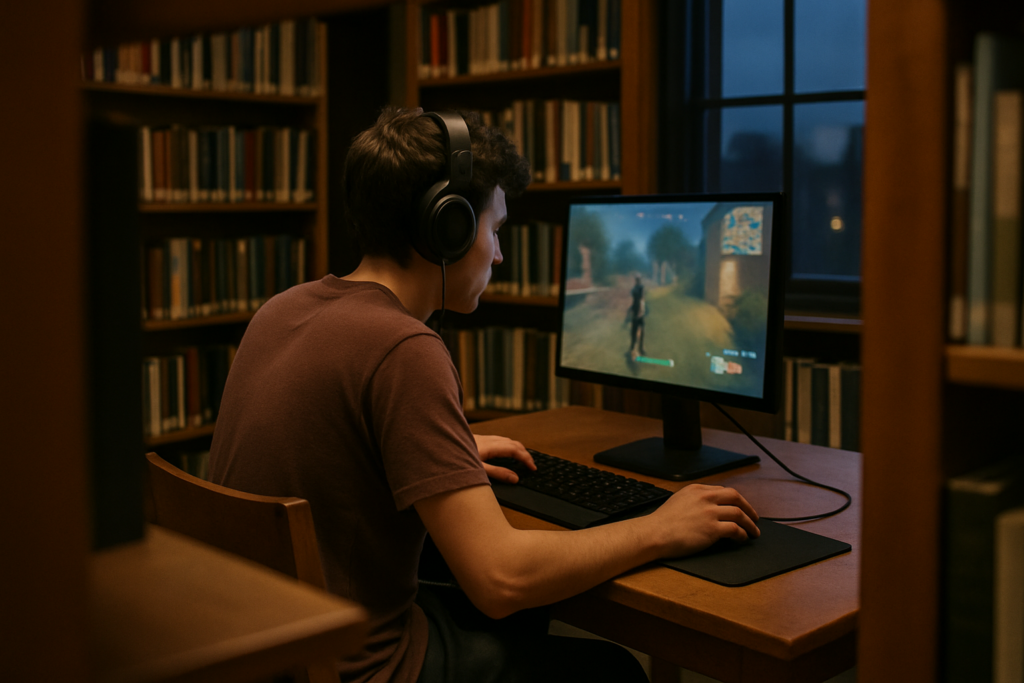
Power Shift in the Sports World
Esports isn’t just some niche subculture anymore it’s prime time entertainment. In 2024, global viewership across platforms like Twitch, YouTube Gaming, and regional networks stands shoulder to shoulder with traditional sports. Championship matches for games like League of Legends or Counter Strike now pull in numbers that rival the Super Bowl or NBA Finals without cable, without stadiums.
These aren’t just backyard competitions, either. Esports tournaments dish out multimillion dollar prize pools, often funded by global sponsors and broadcast rights. Events sell out entire arenas, with live audiences screaming just as loud as any football crowd. If there’s a scoreboard and a trophy, you can bet the stakes get serious.
The business side of it is no joke. Pro teams are backed by major investors, entertainment moguls, and even NBA and Premier League franchises. Name a celebrity odds are they own a slice of an esports org. What was once a garage side hustle is now a global operation with legal teams, esports analysts, training facilities, and massive payrolls.
The bottom line: esports isn’t just catching up to traditional sports it’s rewriting the rules entirely.
Athletes with Controllers
The myth of gamers lounging in dark basements is officially outdated. Today’s elite esports players train with the same intensity as traditional athletes. We’re talking structured practice sessions, detailed performance metrics, and tightly managed schedules. Reaction time drills, stamina exercises, cognitive load tests it’s not just about quick thumbs anymore.
In team based games, strategy sessions look a lot like those in pro sports: film reviews, tactical breakdowns, opponent scouting. The mental demand is high. Split second decisions under pressure. Coordination with teammates. Handling losses without tilting. That’s athletic grit, just in a different format.
The infrastructure is real, too. Esports players now have agents negotiating brand deals, trainers fine tuning their reflexes, and healthcare pros monitoring everything from eye strain to burnout risk. The support systems once reserved for Olympic hopefuls are showing up in gaming houses and team facilities.
The result? Professional gamers aren’t just competing they’re redefining what an athlete looks like in the digital age.
Career Paths and Revenue Streams

Esports isn’t just a hobby anymore it’s a legitimate career track. Gamers today aren’t just competing in tournaments; they’re building brands. Content creation on YouTube, Twitch streams with daily drop ins, and TikTok highlight reels all feed into revenue. Add merch lines, sponsorship deals, and exclusive collaborations, and what you get is a creator economy with serious earning power.
Schools have started to catch up. Esports scholarships are no longer rare, and some universities are building competitive programs alongside their football or basketball teams. And with the rise of formal leagues and international circuits, the jump from college competitor to professional is getting smoother.
But maybe the biggest shift? Platforms are the new talent scouts. A teenager with quick aim and personality can rack up a following from their bedroom. Platforms like Twitch, YouTube, and TikTok don’t just amplify skill they turn gamers into household names. Whether you’re going pro or just posting clips after school, there’s more than one way to win in this space.
Technology Blurring the Lines
Esports is no longer about just reacting fast it’s about thinking like a coach, athlete, and analyst all at once. Games today are loaded with real time performance metrics: movement heatmaps, reaction tracking, opponent tendencies. Teams don’t just play they run post match reviews, practice with customized data sets, and tweak tactics mid game.
The venues? They’re catching up fast. Modern esports arenas resemble pro sports facilities, complete with high end lighting, ergonomic gear pods, and rooms for strategy sessions. Big matches feel more like championship finals than simple LAN parties.
Even traditional sports are now borrowing from esports tech. Football teams are using similar analytics platforms to track player stress under pressure. Athletes across disciplines are experimenting with VR drills to sharpen spatial awareness and timing.
This crossover is giving rise to the hybrid athlete someone who trains both body and reflexes with tech as a central tool. Curious about what this looks like in the wild? Check out how VR training in sports is fueling the next generation of performance focused competitors.
Cultural Impact and Global Reach
Esports doesn’t care where you’re from, how old you are, or what your physical limits might be. If you’ve got the skill and the grind, you’re in. It’s one of the few arenas where a 16 year old from Manila, a disabled vet in Detroit, and a grandmother in Copenhagen can all compete or at least belong to the same fan base.
That kind of borderless culture is building something different than what we’ve seen from traditional sports. Instead of regional loyalty around your home team, esports gamers and fans gather around streamers, games, or team ethos. Some teams build their brand around discipline and analytical play. Others go full chaos and meme mode. There’s room for both.
Crucially, inclusion isn’t a fringe topic anymore it’s central. Game devs are adding accessibility features by default. Leagues are focusing on equitable prize models. Representation across gender, ability, and location is showing slow but steady progress. Esports didn’t just inherit the global stage it’s rewriting the rules for who gets to stand on it.
The Road Ahead
Esports is closing in on long overdue recognition. Olympic committees and major sports leagues are already scouting the space, cautiously moving from sidelines to spotlights. What started as a fringe interest is now an undeniable cultural force with global momentum and measurable economic impact. Official inclusion is no longer a question of “if,” but “when.”
Backed by institutional funding and high stakes private investment, esports is maturing fast. Universities are offering scholarships. Governments are treating it as infrastructure. Tech companies are pouring resources into competitive platforms and immersive tools that don’t just entertain they define the future of training and performance.
Traditional sports, meanwhile, are taking notes. They have to. Younger audiences expect gamified, digital first experiences. To stay relevant, legacy leagues will need to adopt elements from the esports playbook: real time interactivity, cross platform presence, and enriched viewer engagement.
On the performance side, the line continues to fade. Virtual Reality is already reshaping how both gamers and athletes train building reaction speed, spatial awareness, and strategic planning in ways drills alone never could. For a closer look at how this hybrid training is setting new performance standards, check out VR training in sports.
 Conniella Hoffmanney (Author & Lifestyle Editor)
Conniella Hoffmanney is an author and the Lifestyle Editor at The Vital Insight Hub. Specializing in cultural trends and lifestyle journalism, Conniella curates the platform’s content on entertainment, art, and social dynamics. Her creative vision and engaging writing style give readers a unique and enriching perspective on the cultural events that shape our world.
Conniella Hoffmanney (Author & Lifestyle Editor)
Conniella Hoffmanney is an author and the Lifestyle Editor at The Vital Insight Hub. Specializing in cultural trends and lifestyle journalism, Conniella curates the platform’s content on entertainment, art, and social dynamics. Her creative vision and engaging writing style give readers a unique and enriching perspective on the cultural events that shape our world.